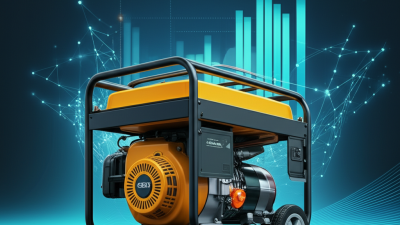
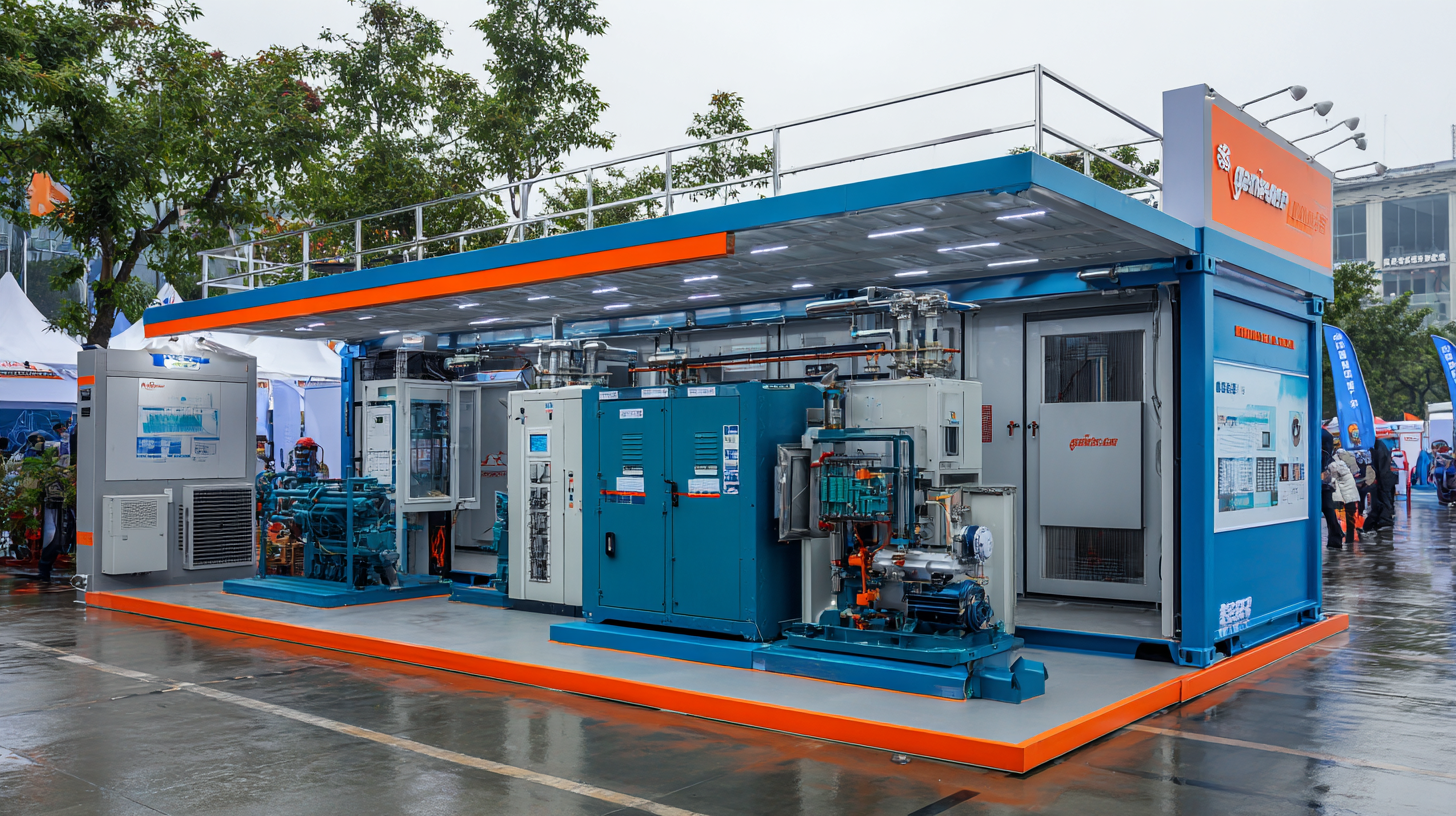
 As the world keeps pushing for cleaner energy options, the market for gas generator sets (you know, those gas gensets) is really picking up speed. Experts expect it to grow pretty steadily—like a 5.6% compound annual growth rate from 2023 all the way through 2030. Oh, and if you’re into industry events, the 2025 China Import and Export Fair is basically where all the cool innovations in this space will be on display.
Companies like TECHIE Inc., especially known for their ignition systems for stationary gas engines, are actually leading the charge here. They offer pretty much complete ignition solutions, covering over 95% of popular gas engine brands like GE Jenbacher, MWM, and CAT. So, they’re all set to meet the rising needs of the gas genset market. The fair’s not just about showing off new tech—it's also a great chance to get a handle on market trends and see how crucial reliable ignition systems are for getting the best performance and efficiency from gas engines.
Innovations in Gas Genset Technology: Key Trends and Developments for 2025
So, as we get closer to 2025, the gas genset industry is really riding a wave of exciting innovations — and I mean, you could see this firsthand at the China Import and Export Fair. A lot of what’s driving these changes is the integration of cutting-edge tech like IoT and AI. These smart systems allow for real-time monitoring and predictive maintenance, which basically means more reliable machines and better efficiency. Manufacturers are now making gensets that can adjust fuel use depending on how much load they’re handling — so, they’re not wasting fuel or pumping out unnecessary emissions. Pretty neat, right?
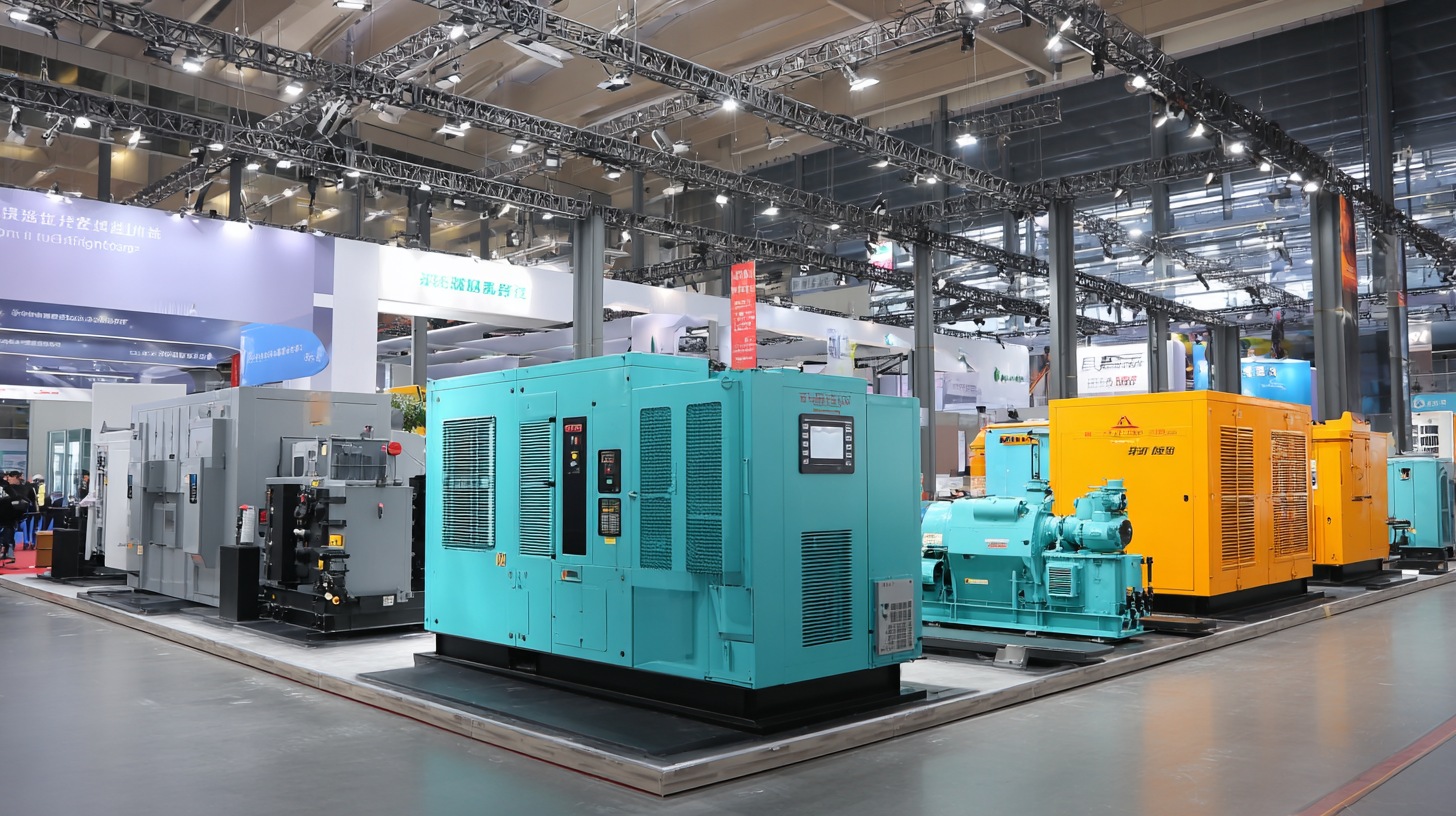
And it’s not just about tech upgrades. There’s a big push toward cleaner energy sources lately. With stricter rules and growing pressure to cut down carbon footprints, companies are getting creative — incorporating biogas and even hydrogen into their designs. Not only does this help meet global sustainability goals, but it also gives these companies a real edge in the market. Overall, as these trends keep evolving, it’s clear that the gas genset sector is going to be a key player in the energy transition, helping industries stay productive while also being more environmentally responsible.
Market Analysis: Growth Projections for Gas Genset Industry by 2025
The gas genset industry is really set for some solid growth by 2025. This is mainly because there's a growing need for reliable power solutions across different sectors. After a tough year in 2020, when natural gas demand took a hit—falling about 4% due to global uncertainties—the market's starting to bounce back. Things are beginning to look more like they did before the crisis, with consumption levels rising again. Plus, new tech in gas generator systems is making a big difference—improving efficiency and sustainability. That’s definitely catching the eye of both commercial and industrial clients who are all about greener, smarter energy options.
Looking ahead, the outlook looks promising with steady growth in the gas genset market, especially in the data center generator space. As digital transformation speeds up, data centers are more important than ever, and they really need super reliable power supplies. Oh, and the sector dealing with aeroderivative gas turbines is expected to grow by more than 5.8% annually from 2025 to 2034. All in all, it’s clear that more companies are turning towards gas as a preferred power source, especially as they keep pushing for sustainability. Thanks to ongoing tech improvements, gas gensets are likely to play a central role in meeting future energy needs, more efficiently than ever before.
Gas Genset Market Analysis Projections by 2025
This chart illustrates the projected growth of the global gas genset market from 2019 to 2025, showcasing a steady increase in market size expected to reach 8 billion USD by 2025. Innovations and demand in the energy sector are key drivers of this growth.
Environmental Considerations: Emission Standards and Their Impact on Gas Gensets
At the 2025 China Import and Export Fair, it’s clear that innovations in gas generators are really highlighting how urgently we need more eco-friendly energy solutions. As more industries jump on the gas genset bandwagon, sticking to strict emission standards has become more important than ever. These rules aren’t just about protecting the environment—they’re also shaping how these machines are designed and how well they perform. Manufacturers are now focusing heavily on tech that cuts down emissions while still being efficient, which is a promising step toward a cleaner energy future.
If you want to keep up with the changing world of gas gensets, my advice is to stay in the loop about both local and global emission standards. Knowing what’s required can really help when you're making buying choices or planning for operations. Also, it’s worth considering gensets that come with advanced emission-control features – they can make a real difference in keeping you compliant and running more smoothly.
Plus, don’t forget the bigger picture—how emissions impact your company’s sustainability goals. Companies that get ahead of this stuff not only meet regulations but can also boost their brand image and save money in the long run. Putting emphasis on emission-reducing tech in gas gensets isn’t just good for the planet; it’s also a smart move for industry growth and aligning with worldwide sustainability targets.
Case Studies: Successful Implementations of Gas Gensets Across Various Sectors
At the 2025 China Import and Export Fair, a bunch of innovative use cases for gas gensets were on display across different industries. It was pretty impressive to see how versatile and efficient these machines are. One story that really caught my eye was about a big manufacturing plant that decided to integrate gas gensets into their power setup. Not only did this move cut down their carbon emissions, but it also helped slash energy costs. That extra savings allowed them to put more resources toward developing new products and pushing innovation. Honestly, seeing their success really inspires other manufacturers to think about how they can boost their sustainability game.
On the farming side of things, a farm in Southern China started using gas gensets to run their irrigation systems. That was a real game-changer for them, especially during busy seasons when reliable water supply is critical. The case study showed that by making the switch, they kept their crops well-watered without over-relying on traditional diesel generators. As a plus, their yields went up, and they made a good step toward more sustainable farming practices. These real-world examples just go to show how gas gensets are really transforming the way we meet modern energy needs across different sectors.
Supply Chain Dynamics: Manufacturing and Distribution Challenges for Gas Gensets
The gas generator industry is really on the rise right now, but it’s not all smooth sailing—there are some pretty big hurdles, especially when it comes to the supply chain. According to a recent report from MarketsandMarkets, the global gas genset market is expected to hit around $7.1 billion by 2027, with an annual growth rate of about 6.6%. That’s great news, but it also means manufacturers are facing some pretty complex challenges—think sourcing materials and parts, especially with ongoing geopolitical tensions and prices for raw materials constantly shifting.
A lot of manufacturers are feeling the pinch from higher costs for semiconductors and other key components needed to keep production rolling. Deloitte even pointed out that three-quarters of these companies are dealing with supply chain disruptions that mess with their schedules. On top of all that, transportation delays and surging freight costs are making things even trickier. To stay ahead, many companies are looking into local production options and trying to diversify their suppliers—that way, they can build a bit more resilience. And with the upcoming 2025 China Import and Export Fair showcasing the latest and greatest in gas gensets, it’s clear that managing a solid supply chain is going to be super important for keeping this market growing steadily."
Future Outlook: Technology Advancements Shaping the Next Decade of Gas Gensets
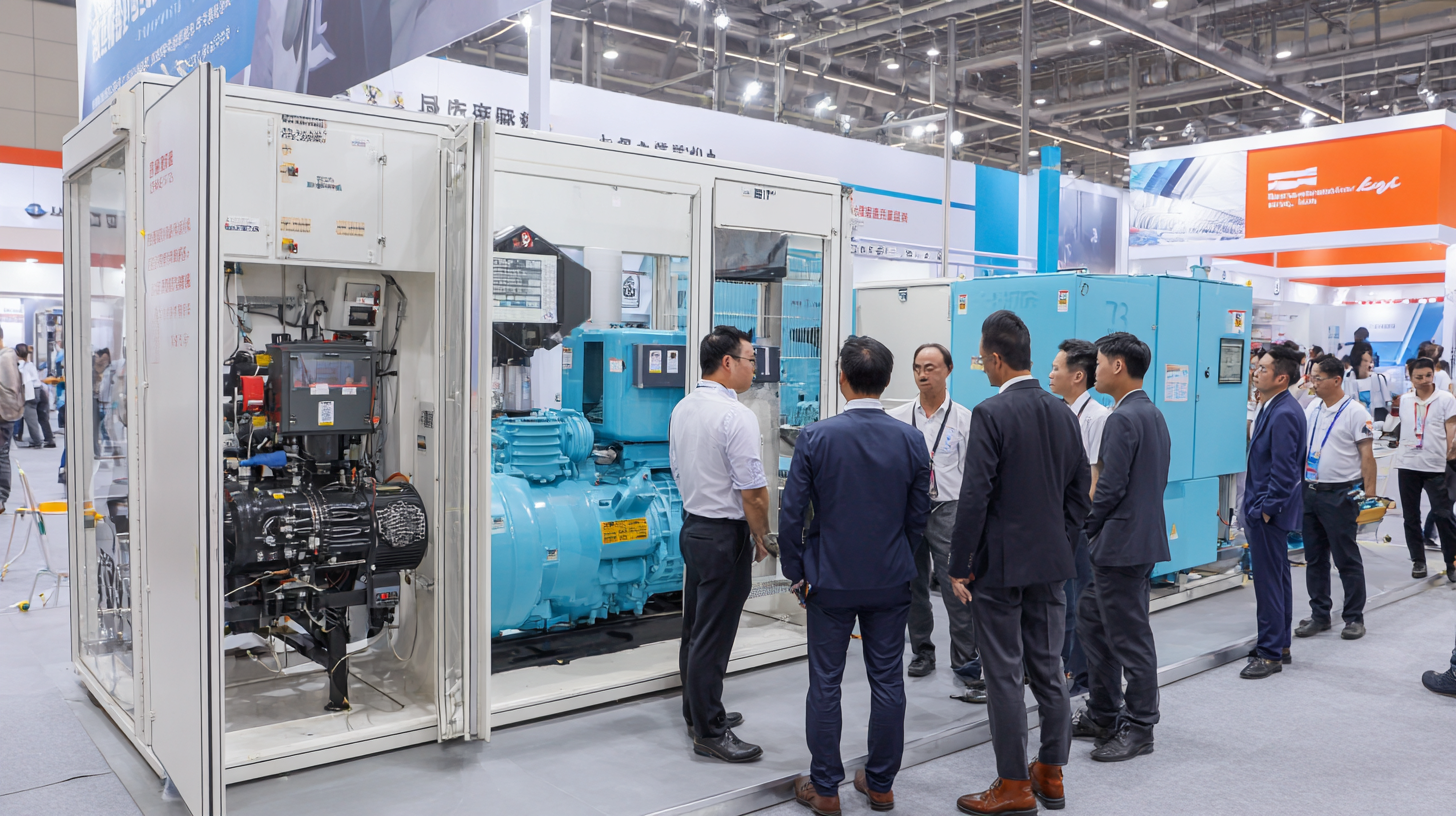
The 2025 China Import and Export Fair is really shaping up to be a key event for anyone interested in the latest in gas generator technology. It’s a great place to see what's new, especially with the industry moving towards cleaner energy sources. You know, gas gensets are really catching on these days because they’re efficient and emit fewer pollutants — which is a big deal right now. I think the fair will showcase some pretty exciting tech that’s not just about performance but also making these systems more reliable, all while keeping up with what the market’s asking for.
Now, at TECHIE Inc., we’re pretty excited about all this. We specialize in ignition systems for stationary gas engines and are right there at the forefront of these tech developments. We support over 95% of engine models out there — stuff like GE Jenbacher, MWM, and CAT. And honestly, we get that the future of gas gensets depends on more than just good hardware. It’s about offering top-quality spare parts and services too. That’s why we’re committed to providing a one-stop-shop for all things gas engine parts. Our goal? To help our clients stay efficient and reliable as the energy landscape keeps changing over the next few years.
FAQS
: Key trends include the integration of advanced technologies such as IoT and AI for real-time monitoring and predictive maintenance, as well as a shift towards cleaner energy sources like biogas and hydrogen.
Advanced technologies enable gas gensets to optimize fuel consumption based on load demands, leading to improved efficiency, reduced emissions, and lower operational costs.
Emission standards are critical for mitigating environmental impacts and influence the design and efficiency of gas gensets. Manufacturers are focusing on technologies that meet these standards while enhancing performance.
Staying updated on local and international emission standards informs purchasing and operational decisions, helping companies ensure compliance, improve operational efficiency, and strengthen brand image.
The industry is facing challenges such as rising costs of critical components, supply chain disruptions, transportation delays, and fluctuating raw material prices, affecting production schedules.
Manufacturers can invest in localized production, diversify suppliers, and enhance supply chain resilience to address manufacturing and distribution challenges amidst ongoing market fluctuations.
Incorporating biogas and hydrogen fuel options aligns with global sustainability goals, providing a competitive edge in a market that increasingly emphasizes environmental responsibility.
By prioritizing emission-reducing technology, companies can meet compliance requirements, enhance brand image, reduce operational costs, and contribute to broader sustainability goals.
Conclusion
So, there's this article called "Exploring Gas Genset Innovations at the 2025 China Import and Export Fair with Industry Growth Insights," and honestly, it gives a pretty interesting look into what's coming up in gas genset tech for 2025. It breaks down the main trends and what’s driving the industry forward, especially with the market really set to grow. Plus, it talks about environmental stuff too—like how emission standards are pushing the design and efficiency side of these generators to evolve.
The article even shares some real-world case studies showing how various sectors are successfully using these new technologies. It also dives into the supply chain dynamics—kind of the behind-the-scenes stuff affecting manufacturing and getting these gensets to market. On a more personal note, TECHIE Inc., the company that specializes in ignition systems for stationary gas engines, is really pushing innovation. Looking ahead, there's a lot of exciting tech coming that could totally change the game over the next decade. They’re not just about making products—they’re also all-in on supporting the industry’s growth and being more sustainable along the way.